What Grief Needs That Reality Can't Give

When my father died, the world didn't pause. It just kept buying coffee and complaining about the weather. It felt far too small for what I was carrying; it didn't have the right rooms. So I built some. This is how the world I'm writing came out of loss, and why some stories can only begin in ash.
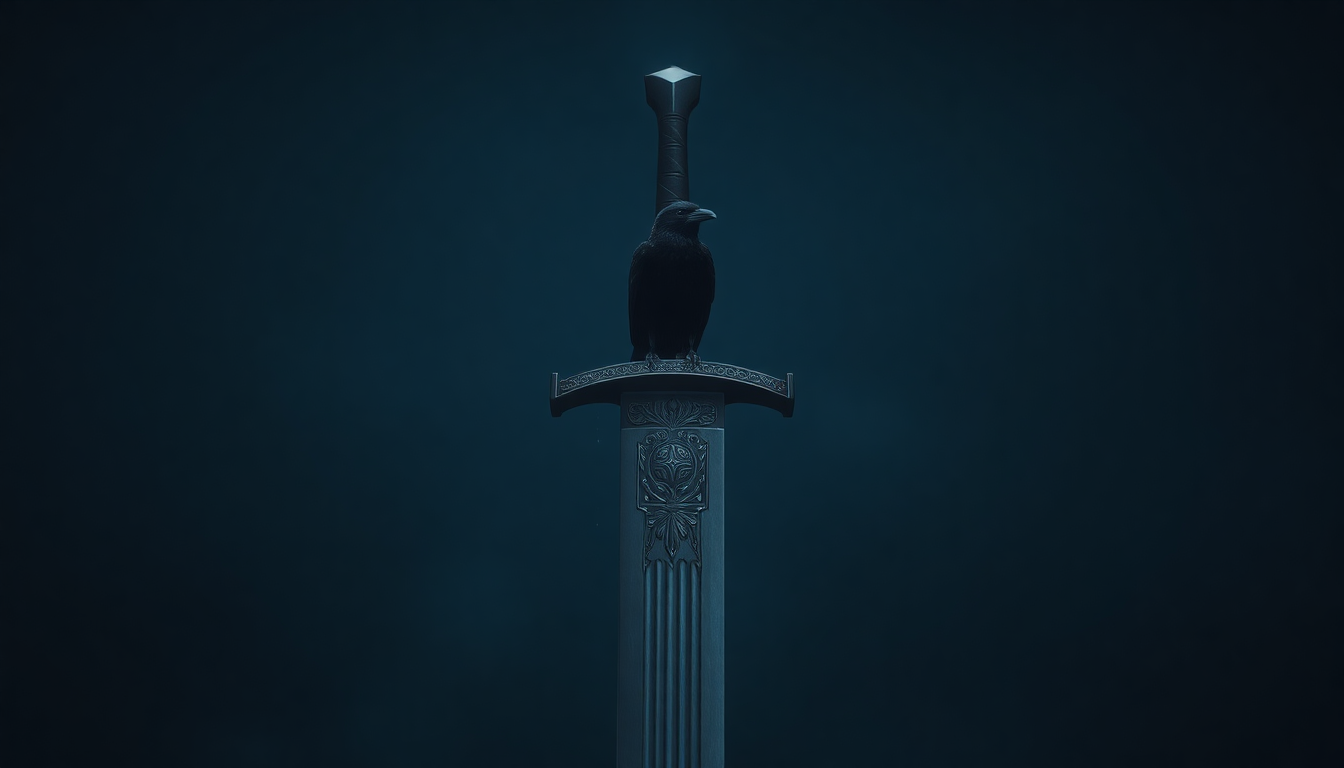
When my father died - when I was still recovering from tuberculosis and had barely caught my breath - the world didn't pause. It did what it always does. It kept going: ordinary and indifferent and full of people buying coffee and complaining about the weather. I remember thinking the world was far too small for what I was carrying. Not emotionally small. Architecturally small. It didn't have the right rooms.
So I built some.
A World That Can Hold It
Elrion didn't begin as a fantasy world. It began as a question: what kind of place could carry this? A continent fractured by an ancient event and never quite healed. A system built on control - on keeping people small, on deciding who gets power and who gets handed a shovel instead. A magic that doesn't reward the deserving but runs through blood and circumstance, as cruel and arbitrary as grief itself.
That wasn't intentional design. That was the truth finding the shape of the world I could write honestly.
There is something in extreme loss that an ordinary story cannot hold. It is too large, too full of contradictions. You are devastated and also hungry. You are broken and, somehow, still making plans. Grief doesn't behave. It doesn't arc cleanly. It loops back and bites you on a Tuesday when you are doing nothing at all.
Fantasy can carry those contradictions in ways realism sometimes can't. The scale is right. The stakes match. When a character survives the thing that was meant to destroy her - when she stands in the ash of a world that has taken everything and still does not lie down - that isn't escapism. That's correspondence.
Why Saelynn Carries It
My FMC was not designed to be a symbol. She was designed to be a person. Saelynn, twenty years old, orphaned by a system that punished her father for believing in something better, carrying a traitor's name in a world that will never let her forget it. Her arc in Dustling is not about becoming powerful. It's about choosing not to disappear.
That's the story I needed when I was hospitalised, and then grieving, and then writing in the quiet between. Not the triumphant rise - the smaller, harder thing. Getting back up. Letting someone close enough to matter. Trusting when every sensible part of you screams that trust is how you get hurt.
Her name comes from "Sail on, silver girl" - a line from Simon and Garfunkel's Bridge Over Troubled Water, which I played at my father's funeral. I didn't actually want to name the book after him; that would feel weird. He never read romantasy, but he did take me to see New Moon when I was fourteen. Let's just say he was a good deal less invested than I was in a shirtless Taylor Lautner.
The Architecture of Surviving
Nothing in Elrion is arbitrary; least of all the thing at its centre. The part of Saelynn most afraid of being seen is the part with the most to give. The thing she has spent her whole life shielding - letting people close - is the thing the story keeps asking her to risk. For her, strength and exposure turn out to be the same door.
That isn't a metaphor I constructed. It's something I learned the hard way and then built a world around.
Fantasy gives you room to say true things in strange shapes - to hide nothing by disguising everything.
Elrion is not a pretty world. It is fractured and exhausted and still, somehow, lit from inside.
If you've ever built something - a world, a playlist, a ritual, a very specific walking route - just to have somewhere to put a loss that wouldn't fit anywhere else, I'd love to know what it was.
xx Eve
The Margins
Join the conversation
No notes in the margins yet. Be the first to leave one.
Keep reading
Related entries
 Writing
On the Architecture of the Wound: What Story Genius Taught Me About Saelynn
I thought the problem with my first draft was the plot. Too thin, too scattered, too much happening without enough weight. Then I read Story Genius by Lisa Cron, and I understood I had it completely backwards. The plot was never the problem. The wound was.
 Writing
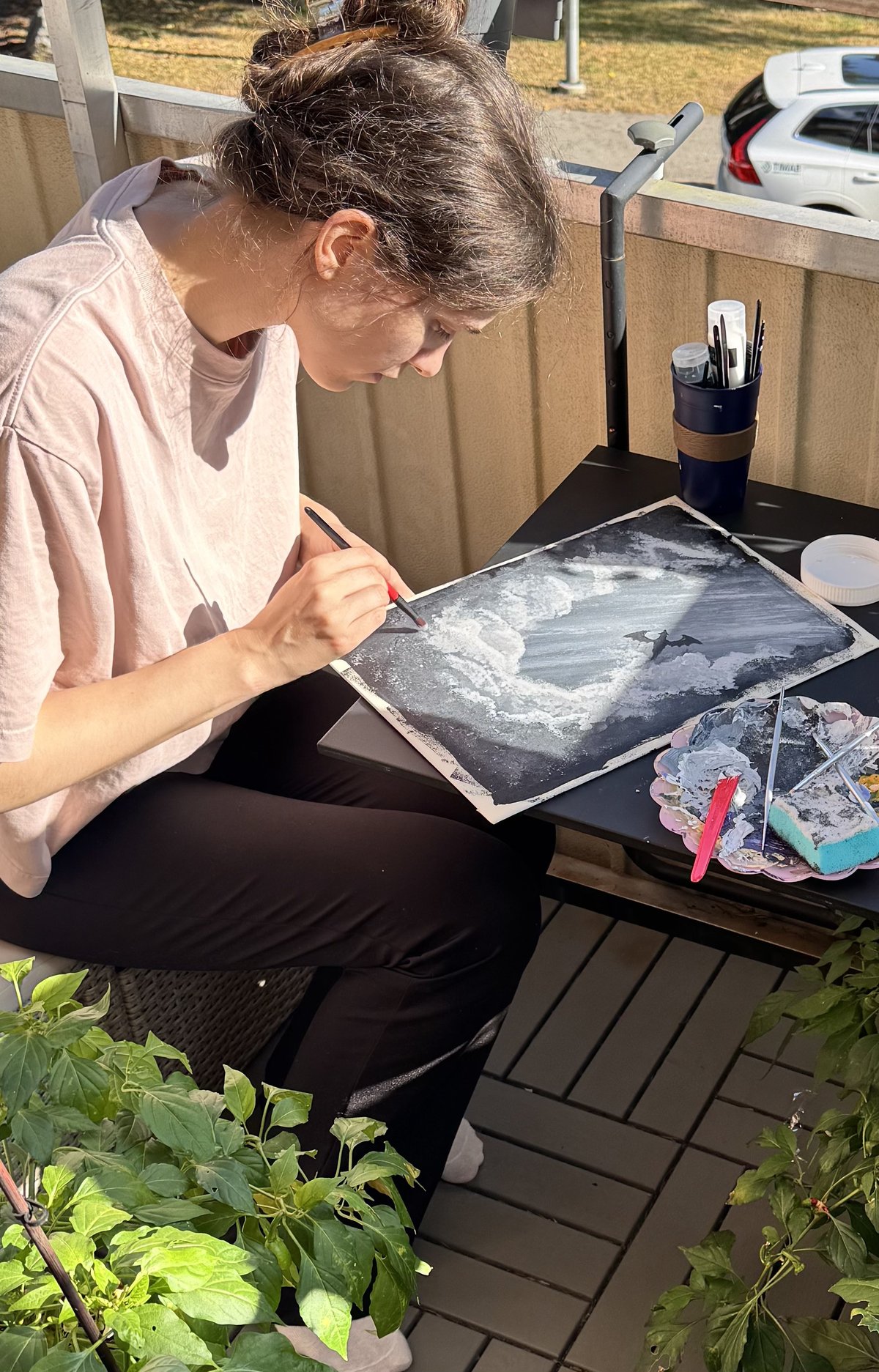
On Writing in the Margins: A Record of Stolen Hours
The Archives have always been built in fragments - notes pressed between duties, sentences finished long after the fire burned low. Eve Matsdotter reflects on what drafting Dustling actually looks like when a full-time job takes the daylight hours, and why slow, unglamorous progress is still progress worth recording.
 Character Building
On the Architecture of Ruin: Writing a Villain You Cannot Fully Condemn
There is a particular discomfort in writing a villain and finding yourself nodding along. Eve Matsdotter opens the Gilded Archives on the craft of the antagonist, and examines what it costs to build a character whose logic is terrible, coherent, and uncomfortably human all at once.